Pool Safety Guide
Swimming pools are a fantastic source of enjoyment and relaxation, but they come with the responsibility of ensuring everyone's safety. This comprehensive guide provides essential tips and guidelines to maintain a safe swimming pool environment for all users.
Supervision is Key
Always Watch Children
Never leave children unattended
Children should never be left alone around a pool, even for a moment. Always ensure a responsible adult is present and actively supervising.
Designate a Water Watcher
Assign a responsible adult to be the designated water watcher, who will avoid distractions like phones or books while on duty.
Know CPR
CPR Training
It is crucial that at least one person present knows how to perform CPR in case of an emergency. Consider taking a CPR course from a recognized organization like the American Red Cross.
Practice Regularly
Refresh your CPR skills regularly to ensure you remain confident and capable in an emergency situation.
Secure Your Pool
Fencing
Install a Pool Fence
Surround your pool with a four-sided fence that is at least 4 feet high. The fence should have a self-closing and self-latching gate that opens outward, away from the pool area. Of course, it is always necessary to check local laws and regulations.
Pool Alarms
Consider installing pool alarms on doors, gates, and even in the pool to alert you of any unauthorized access or movement in the water.
Pool Covers
Use Safety Covers
Invest in a sturdy, durable pool cover that can support the weight of a child or adult. Always secure the cover when the pool is not in use.
Check for Gaps
Ensure that there are no gaps or openings in the pool cover that a child could slip through.
Safety Equipment
Life Rings and Floats
Accessible Flotation Devices
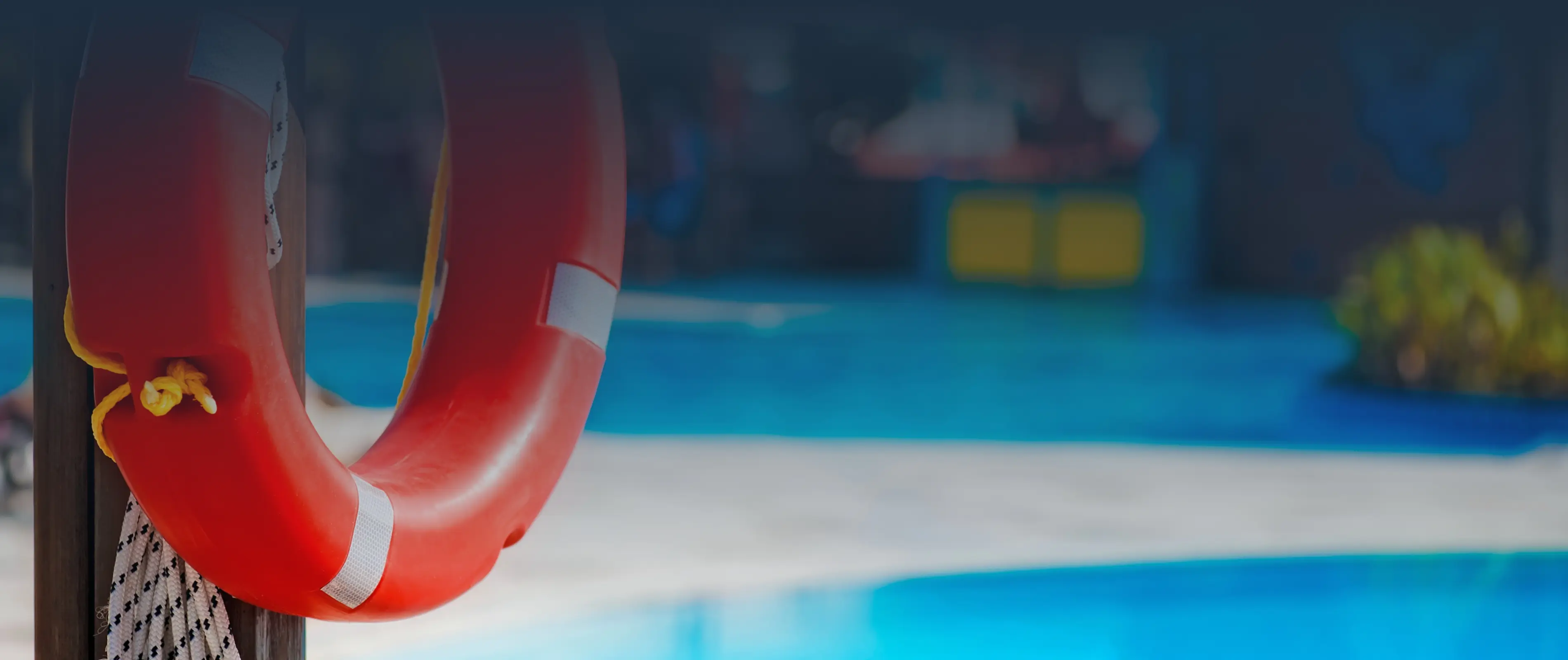
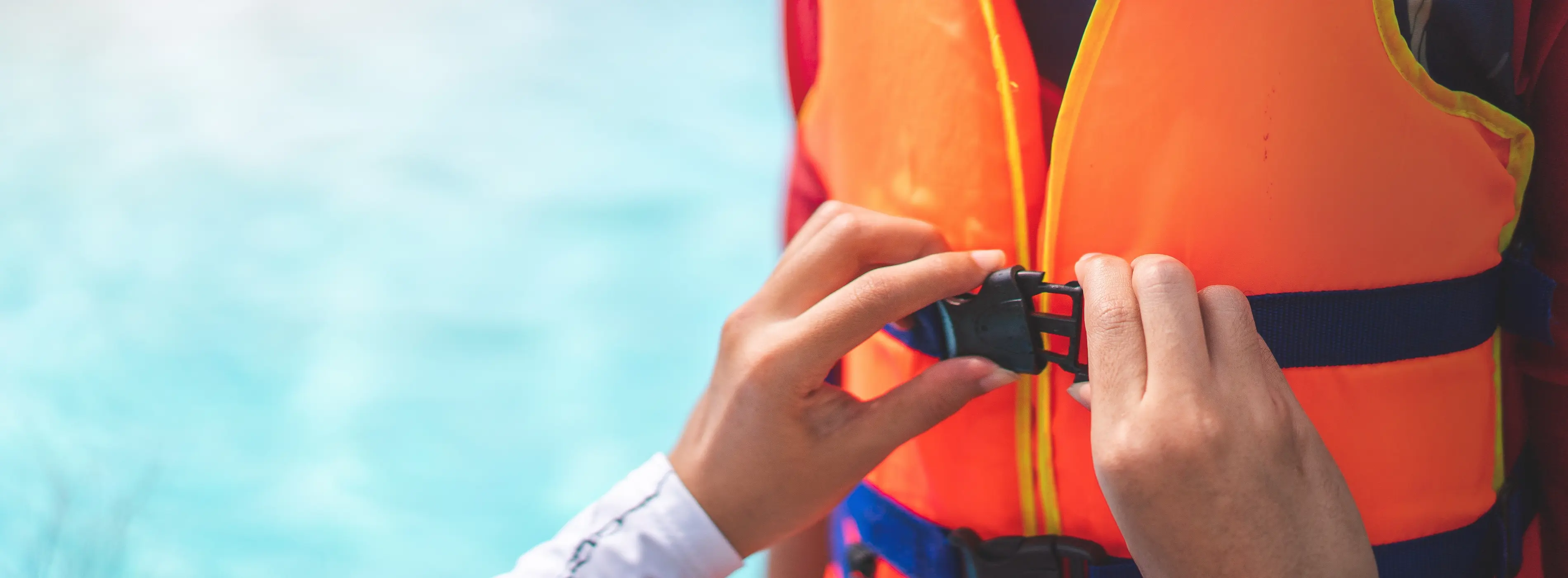
Keep life rings, floats, and rescue tubes easily accessible around the pool area.
Practice Use
Ensure everyone knows how to use these devices properly in an emergency.
First Aid Kit
Well-Stocked Kit
Keep a well-stocked first aid kit near the pool that includes bandages, antiseptics, and other essential medical supplies.
Regular Checks
Regularly check the kit to replenish any used or expired items.

Courses and Certifications
Offers a variety of swimming and water safety courses. Visit Red Cross Swimming for more information on available programs and certifications.

Healthy Swimming Guidelines
Provides comprehensive guidelines on healthy swimming practices. Check out CDC Healthy Swimming for tips on maintaining a safe and healthy pool environment.
Swimming Rules
No Running
Enforce a No-Running Rule
Slips and falls are common around pools due to wet surfaces. Establish and strictly enforce a no-running rule to prevent injuries.
No Diving
Diving Restrictions
Clearly mark areas where diving is prohibited, especially in shallow water. Educate swimmers on the risks of diving in these areas to prevent head and neck injuries.
Educate Swimmers
Swimming Lessons
Proper Training
Ensure all swimmers, especially children, receive formal swimming lessons from qualified instructors. Lessons can improve skills and confidence in the water.
Age-Appropriate Lessons
Choose lessons that are appropriate for the swimmer's age and skill level.
Safety Instructions
Review Pool Rules
Go over pool rules and safety instructions with all guests before they enter the water.
Safety Drills
Conduct regular safety drills so everyone knows what to do in case of an emergency.
Maintain Pool Area
Regular Cleaning
Clean Pool Regularly
Maintain your pool by cleaning it regularly to prevent infections and ensure clear visibility of the pool bottom.
Chemical Balance
Regularly check and maintain the chemical balance of the pool water to keep it safe and hygienic.
Check Equipment
Inspect Regularly
Regularly inspect all pool equipment, including ladders, diving boards, and slides, for wear and tear. Replace or repair any damaged items promptly.
Proper Storage
Store pool chemicals safely and securely, out of reach of children and pets.
Emergency Preparedness
Emergency Numbers
Visible Contact Information
Keep a list of emergency contact numbers, including local emergency services and poison control, clearly visible near the pool.
Emergency Plan
Have a clear emergency plan in place and ensure all family members and regular pool users are familiar with it.
Clear Pathways
Unobstructed Exits
Ensure there are clear and unobstructed pathways to and from the pool for quick evacuation in case of an emergency.
Emergency Equipment
Keep rescue equipment, such as poles and reaching devices, readily accessible and in good condition.
Stay safe and enjoy your swim!
By following these detailed safety tips and guidelines, you can create a safe and enjoyable swimming environment for everyone. Remember, pool safety is a shared responsibility, and it is essential to stay vigilant and proactive in ensuring the well-being of all swimmers.